
Client: PRAX Lindsey (PLOR)
Location: Humber, UK
Sector/Industry: Oil & Gas Refinery
Completion Date / Year: 2025
Project Background: Refinery Decommissioning Estimate
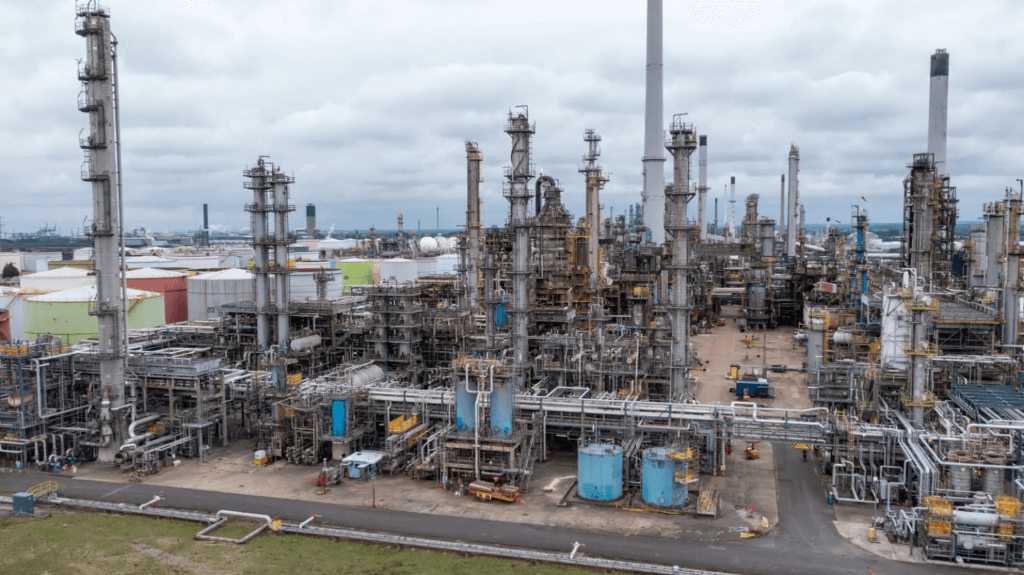
RVA was engaged to support the client in developing a comprehensive understanding of the end‑of‑life obligations and redevelopment considerations associated with the site. The client required the production of detailed, auditable cost estimates to underpin strategic decision‑making, support potential divestment, and ensure all legacy liabilities were clearly defined.
The scope included:
- Preparing a PLOR and FTI aligned detailed cost estimate for the entire site, including multiple decommissioning and redevelopment options.
- Supplying robust, justified data for prospective purchasers, enabling informed evaluation of future liabilities, redevelopment potential, and investment risk.
- Developing cost models covering the full suite of end‑of‑life activities, including decommissioning, asbestos identification and removal, demolition and foundation extraction, and contaminated land assessment and remediation.
This work ensures that all stakeholders have a clear, accurate and comprehensive baseline against which future planning, transactions, and financial provisions can be made.
Challenges
During the development of the site‑wide cost model and supporting due‑diligence information, RVA encountered a range of technical, logistical, and stakeholder‑related challenges that required careful management to maintain quality and meet an accelerated timeline.
Key challenges included:
- Delivering the project on a fast‑track schedule, with all outputs required ahead of prospective purchaser negotiations. This demanded rapid mobilisation, efficient data collection, and accelerated internal review processes to ensure accuracy.
- Establishing a detailed understanding of the condition of all systems, plant, and processes, despite variable documentation and differing levels of operational insight. This was critical in determining the scale, method, and cost of decommissioning activities.
- Assessing multiple demolition methodologies, driven by the proximity of live plant, differing redevelopment options, and safety‑driven sequencing constraints. RVA was required to evaluate varying approaches and produce costed, justifiable methodologies for each scenario.
- Engaging specialist expertise to inform contaminated land and remediation assumptions, particularly where existing data was incomplete or required extrapolation. Collaboration with environmental specialists ensured that cost provisions were robust, proportionate, and aligned with recognised industry practice.
- Managing engagement with a concerned workforce, many of whom were uncertain about future employment, site closure impacts, and transition timelines. Sensitive stakeholder engagement was required to gather accurate site information while maintaining trust and cooperation.
RVA’s Approach to Delivery
To meet the fast‑track requirements of the project and overcome the technical and logistical challenges identified, RVA implemented a coordinated and resource‑intensive delivery model. Key solutions included:
- Deploying simultaneously a large, dedicated multidisciplinary team capable of covering all aspects of data gathering, condition assessment, technical analysis, demolition methodology development, and cost modelling. This ensured that all workstreams progressed in parallel and promptly, without compromising quality.
- Holding regular workshops and progress meetings, enabling continuous review of findings, rapid clarification of assumptions, and timely decision‑making. This iterative engagement ensured full alignment between RVA, the client, and specialist contributors throughout the project’s accelerated timeline.
- Maintaining a permanent on‑site presence, providing real‑time access to key operational personnel, immediate visibility of plant conditions, and the ability to verify information quickly. This significantly reduced delays associated with data collection and improved the accuracy and confidence of the final cost outputs.
Outcomes: Supporting a Successful Divestment
RVA successfully delivered a comprehensive suite of outputs that supported strategic decision‑making, enabled informed commercial negotiations, and underpinned the successful divestment of the site.
Key outcomes included:
- Completion of all deliverables on time, despite the accelerated programme and extensive data‑gathering demands. RVA maintained quality and met all required deadlines, ensuring prospective purchasers received the information needed within the commercial timetable.
- Production of a detailed decommissioning strategy and fully costed options, providing a clear, defensible blueprint for end‑of‑life activities across the entire site. This included decommissioning scope, demolition sequencing, remediation requirements, and associated cost models.
- Development of a fit‑for‑purpose information package for prospective purchasers, enabling transparent evaluation of liabilities, redevelopment potential, and cost exposure. This documentation played a critical role in supporting buyer due diligence and reducing transactional uncertainty.
- Facilitation of a successful site sale, with the quality and clarity of RVA’s work helping to de‑risk the acquisition for bidders and enhance confidence in the overall transaction.